
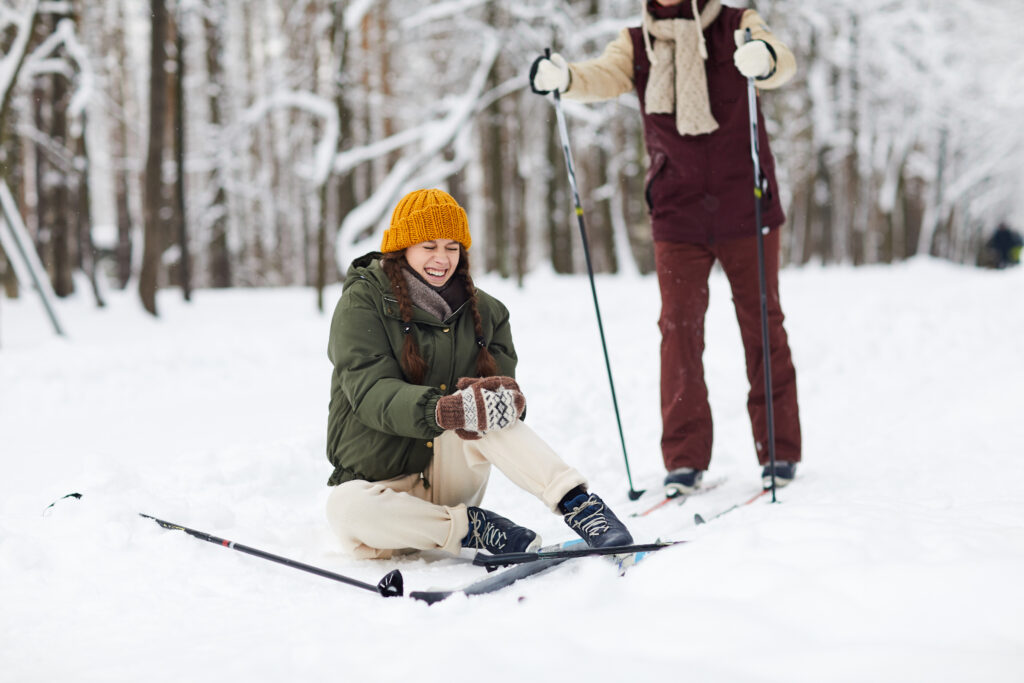
One of the most common winter sports is skiing, which many people enjoy. While skiing offers great exercise and lots of fun with friends and family, it also has the potential to cause injuries. Before you tackle skiing this season, MPH shares the most common injuries, how to treat them, and why you should use injury prevention on your trip.
Most Frequent Ski Injuries
Before you head out in the snow on the mountain, keep in mind that the most common ski injuries include the following:
- Clavicle/wrist fractures
- Knee injuries, including sprains, ligament & meniscal injuries, and bony injuries
- Shoulder dislocation, sprain, or fracture
- Head or brain injuries from direct impact
- Skiier’s thumb, or the tearing of the UCL in your thumb
- Spinal injuries due to high-impact accidents
These injuries range from moderate to severe, with many falling into the latter category. Skiing, like any other sport, comes with its own set of risks.
Causes of Skiing Injuries
A few factors will impact your chances of getting ski injuries.
Excessive Speed
One of the biggest factors contributing to injuries is the speed at which you’re traveling. The faster you go, the greater the impact if you collide with something or slip and fall. Even if you do fall, you’re likely to keep moving, which increases the risk of a high-impact accident.
Poor Judgment on the Slopes
If you are new to skiing or haven’t advanced beyond the beginner stage, you should not be skiing on more difficuilt trails. Even if it looks fun and challenging or your friends can take it, it doesn’t mean it’s a great idea for you. Maintain good judgment when skiing, and choose trails within your skill level.
Fitness Level & Lack of Warm-Up
It’s important to understand that skiing is very physically challenging, so you must have a certain fitness and balance maintenance level to even participate in this sport. If you aren’t in the best shape, you should learn and work in the beginner areas. If you start to feel pain from skiing, do not keep pushing, or you may set yourself up for an injury.
Even if you’re in great shape, you must warm up before taking the slopes. Stretching your muscles and getting the lactic acid moving is the best way to keep yourself safe while coming down. You don’t want to overexert yourself in the middle of a big slope, leaving yourself open for injury.
Ski Injury Treatment Options
If you have suffered from one or more skiing injuries, you’ll need to take advantage of several treatment methods to get yourself back in good health.
Rest and Immediate Care
Right after the injury happens and you seek medical treatment, it’s ideal that you take some time to rest. Depending on the severity of the injury, you may need additional treatment methods to get you back to good health.
Physical Therapy & Rehabilitation
If your provider has prescribed you many physical therapy treatments, you need to make sure you keep those appointments going regularly. Outside of the therapy session, it would help if you practiced the treatment on your own at home to regain strength and promote healing in the injured area.
Medications and Pain Management
If your injury requires you to take medication for inflammation and pain, make sure you take your medication regularly. Once the inflammation subsides and you want to wind down the pain medication, your doctor can assist you with a lower medicine dosage.
Preventing Ski Injuries
Quality ski equipment, including a helmet, and the proper training, factors into injury prevention. If you’ve gone through the steps and know what to expect when you take on the slopes, you will reduce your chances of having an injury, avoiding weeks of recovery. Some injuries can have lasting effects, but often they can be avoided by using good judgment and being self-aware of your limitations.
Learn More from Middle Park Health
If you’ve suffered a ski injury and need rehabilitation assistance, contact Middle Park Health—Fraser Campus today to schedule an appointment. We look forward to getting your body the right treatment and getting you back on the path to healing.