
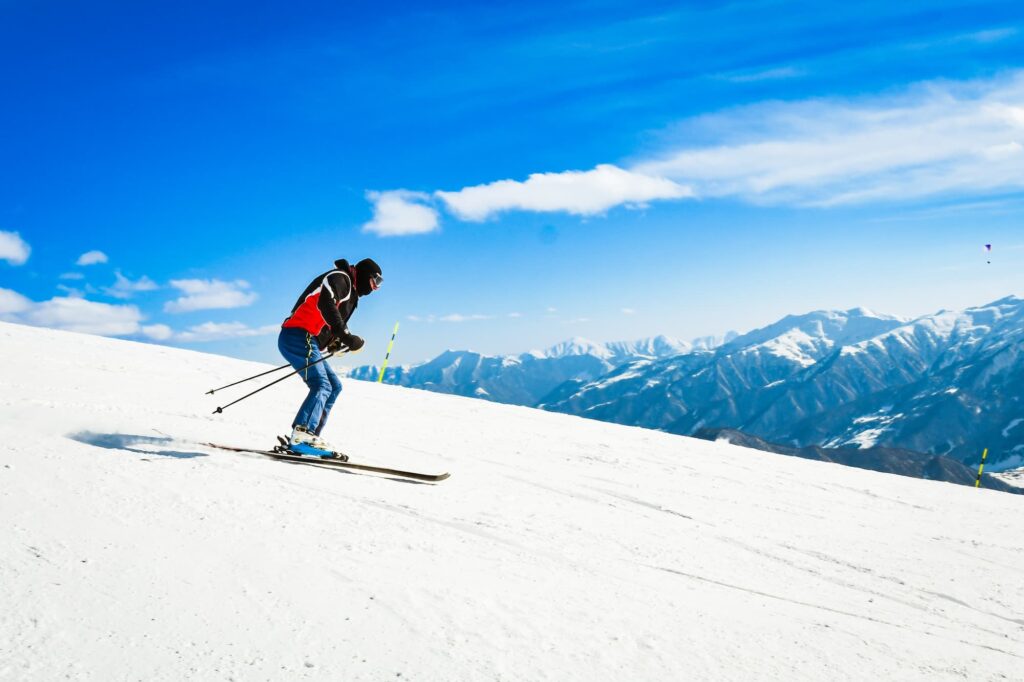
winter sports like skiing and snowboarding are an exhilarating way to enjoy the colder months. However, like any physical activity, they come with their own set of risks and injuries. One injury many skiers and snowboarders experience—though often overlooked—is Skier’s Thumb. Understanding this injury, its symptoms, treatment options, and how to avoid it can help ensure that your time on the slopes remains fun and injury-free!
What is Skier’s Thumb?
Skier’s Thumb is a type of injury that affects the thumb’s ligament, particularly the ulnar collateral ligament. It usually occurs when a skier falls, and their ski pole gets caught in the snow, forcing their thumb to stretch or hyperextend beyond its normal range of motion. This injury is typically seen in skiers, but it can also happen to other athletes.
Common Symptoms of Skier’s Thumb
Common signs and symptoms include:
- Pain and tenderness at the base of the thumb, often on the inside of the joint
- Swelling in the thumb area or along the side of the hand
- Bruising around the thumb joint
- Weakness or instability in the thumb, making it difficult to grip objects
- Limited range of motion or difficulty moving the thumb
- A “pop” or tearing sensation when the injury occurs (though not everyone experiences this)
If you experience these symptoms, avoid putting stress on your hand or thumb, and seek treatment to prevent complications.
Treatment Options for Skier’s Thumb
Treatment for Skier’s Thumb will depend on how severe the injury is. Here are some common treatment recommendations:
Rest and Ice for Recovery
Resting the thumb and applying ice can help reduce swelling and inflammation.
Splinting and Support
For mild injuries, your doctor may recommend wearing a splint to immobilize the thumb, which prevents unnecessary movement and helps promote healing.
Using NSAIDs for Pain Relief
Over-the-counter pain relievers such as ibuprofen can help manage pain and swelling during healing.
Physical Therapy to Restore Mobility
If the injury is less severe, physical therapy may be prescribed after the initial swelling and pain have subsided. This therapy focuses on strengthening the thumb muscles and restoring the range of motion.
Surgical Options for Severe Cases
In cases of severe tears or complete ruptures of the UCL, surgery may be necessary to repair or reconstruct the ligament and restore function.
How to Prevent Skier’s Thumb Injuries
While Skier’s Thumb often happens quickly, there are some ways you can reduce the likelihood of this injury:
- Proper Grip and Equipment Adjustment: Ensure that your ski poles are correctly sized and that your straps are adjusted properly. Avoid gripping your poles too tightly, as this can worsen the injury if you fall.
- Wear Protective Gear: Wear gloves that offer good support and padding around the thumbs, which can help absorb some of the shock if you fall. You can also look into custom thumb guards or splints that provide extra protection.
- Take Ski Lessons: If you’re new to skiing or snowboarding, lessons can teach you proper form and techniques that will help you stay balanced and avoid dangerous falls.
- Avoid Skiing in Hazardous Conditions: If the weather is poor, you’re more likely to experience accidents. Avoid pushing your limits in less-than-ideal conditions.
- Strengthen Your Hands and Wrists: Regular hand and wrist exercises can increase the strength and stability of your thumb and reduce the risk of ligament injuries.
Get Expert Orthopedic Care at Middle Park Health
If you have a Skier’s Thumb or are experiencing symptoms of a thumb injury, getting the proper care is essential. At Middle Park Health, we understand sports-related injuries and are here to provide you with the right diagnosis and treatment plan to get you back on the slopes safely. If you have any questions, don’t hesitate to contact our team. We’ll be happy to help you with any of your medical needs.
Image Credit: EvaL Miko / Shutterstock